Ritigala Forest Monastery Guide (2027) | Sri Lanka Ruins
Tucked away in the dry-zone plains of Sri Lanka’s Cultural Triangle lies Ritigala, an ancient Buddhist forest monastery shrouded in mist, folklore, and towering jungle canopy. Unlike the crowded staircases of Sigiriya or the vast brick stupas of Anuradhapura, Ritigala offers an atmospheric, quiet encounter with Sri Lanka’s past—where moss-covered granite pathways vanish into the trees and history feels untouched.
If you are planning a trip to Sri Lanka in 2027 and want to step off the standard tourist trail, this complete travel guide covers everything you need to know about visiting Ritigala Forest Monastery, from its fascinating history to practical transport tips and suggested itineraries.
🌿 What is Ritigala? History, Legends & Mystery
Rising 766 meters (2,513 feet) above the surrounding plains between Habarana and Anuradhapura, the Ritigala mountain range is the highest peak in northern Sri Lanka. Because its summit traps passing clouds, Ritigala enjoys a cool, misty microclimate distinctly different from the hot dry zone below—allowing rare medicinal herbs and endemic plant species to thrive.
The Legend of Hanuman
In Hindu mythology and the ancient epic Ramayana, Ritigala is linked to the monkey-god Hanuman. While carrying a mountain of healing herbs from the Himalayas to save Prince Lakshmana, a piece of the mountain allegedly broke off and fell right here, explaining why Ritigala is famous across Sri Lanka for its rare Ayurvedic medicinal flora.
The Pansukulika Ascetic Monks
Historically, Ritigala dates back to the 1st century BCE, with its most significant architectural remains built during the 9th and 10th centuries CE. It was home to the Pansukulika (rag-robed) monks—an austere sect of Buddhist ascetics who rejected material wealth and lived in strict meditation deep within the forest.
To respect their vow of extreme simplicity, the monastery features almost no statues, ornate carvings, or gilded shrines. Instead, its beauty lies in precision-cut granite stonework engineered seamlessly into the jungle landscape.
🏛️ Top Highlights & What to See at Ritigala
Exploring the archaeological reserve involves a peaceful, moderately uphill walk along shaded stone trails. Keep an eye out for these remarkable ruins:
- Banda Pokuna (The Giant Reservoir): Located near the entrance, this massive, stepped stone bathing pond spans nearly two acres. It was engineered to collect rainwater runoff from the mountain slopes for monks and pilgrims.
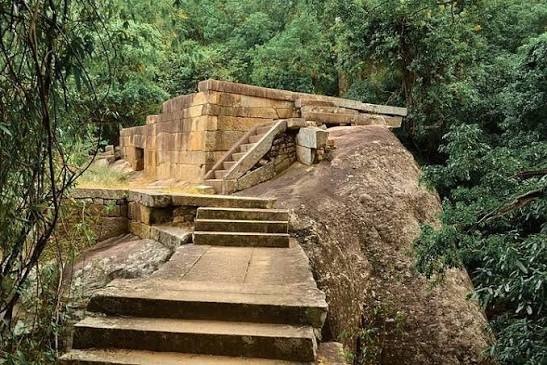
- Elevated Stone Walkways (Sakman Maluwa): Long, meticulously fitted granite pathways wind gracefully through the forest canopy, designed to keep monks above damp ground and snakes while allowing mindful walking meditation.
- The Padhanaghara (Double-Platform Meditation Houses): Ritigala’s signature architectural feature—two raised stone platforms connected by a single monolithic stone bridge. The open-air platform was used for walking meditation, while the roofed platform provided shelter.
- Ancient Ayurvedic Hospital Ruins: Stone grinding slabs (ambaruwa), medicinal oil troughs, and herbal preparation areas reveal the monks’ deep expertise in traditional healing.
- Roundabouts & Stone Bridges: Geometric stone circles built at trail intersections helped monks navigate the dense forest paths cleanly.
🧭 Practical Travel Tips for Visiting Ritigala in 2027
Because Ritigala is both an active Strict Natural Reserve and a sacred archaeological site, a few practical rules apply:
- Dress Code: As a sacred Buddhist site, modest clothing is required. Ensure your shoulders and knees are covered before entering the ruins.
- Footwear: Unlike temple complexes with stupas where shoes must be removed, you are generally permitted to wear comfortable walking shoes or sandals along the forest trails—essential for navigating uneven stone steps and tree roots. (Always follow signage or guard instructions at specific platforms).
- Wildlife & Nature: Wild elephants live in the surrounding reserve, and monkeys, giant squirrels, and endemic forest birds are frequently spotted. Stay strictly on the marked stone paths, as the surrounding forest is a protected Strict Natural Reserve closed to general trekking.
- No Shops Inside: There are minimal facilities once you enter the reserve. Bring plenty of drinking water, mosquito repellent, and any snacks you need beforehand (and carry all trash out with you).
- Guides: Information boards on-site are brief. Hiring an accredited site guide at the entrance or travelling with a knowledgeable local driver-guide brings the hidden engineering and legends of the ruins to life.
⏰ Opening Hours & Entrance Fees
- Opening Hours: Typically open daily from 7:00 AM to 5:00 PM (last entry usually around 4:00 PM).
- Entrance Fees: Tickets are purchased at the Central Cultural Fund / Department of Archaeology ticket counter at the site entrance. Foreign visitor fees are priced in USD (payable in Sri Lankan Rupees at the prevailing exchange rate; bring cash, as card machines in remote areas can occasionally be offline).
- Note for 2027 Travellers: Archaeological ticket prices and opening schedules in Sri Lanka are subject to periodic government updates. We always recommend confirming current entrance fees with your driver or local tour operator shortly before your visit.
🌤️ Best Time to Visit Ritigala
- Best Time of Day: Arrive early between 7:30 AM and 9:30 AM, or late afternoon around 3:00 PM. Morning visits reward you with cool temperatures, golden light filtering through the trees, active birdlife, and virtually empty trails.
- Best Time of Year: Ritigala can be visited year-round. January to September offers the driest trail conditions. During the northeast monsoon (October to December), afternoon showers make the granite steps slippery, though the mist drifting through the ruins creates an unforgettable, mystical atmosphere.
🚗 How to Get to Ritigala
Ritigala sits in a quiet rural area off the A11 highway between Habarana and Maradankadawala, making it very easy to combine with other Cultural Triangle highlights:
- From Sigiriya / Habarana: Approx. 30–40 minutes by car or tuk-tuk (around 25–30 km).
- From Anuradhapura: Approx. 45–60 minutes by car (around 42 km).
- From Polonnaruwa: Approx. 1 hour 15 minutes by car (around 65 km).
Transport Advice: Public buses do not go directly to the Ritigala entrance; they drop passengers along the main road several kilometers away, leaving a long walk in the heat. The easiest and most reliable way to visit is by private car with a local driver or a tuk-tuk tour from Sigiriya or Habarana.
🗺️ Suggested 1-Day Cultural Triangle Itinerary Including Ritigala
Looking to fit Ritigala seamlessly into your Sri Lanka itinerary? Here is a balanced, crowd-beating day trip starting from Sigiriya or Habarana:
- 07:30 AM – Morning Walk at Ritigala Forest Monastery: Beat the heat and explore the misty jungle ruins in peaceful solitude.
- 10:30 AM – Authentic Sri Lankan Village Experience & Lunch: Head toward Habarana or Sigiriya for a traditional village walk, catamaran ride, and home-cooked clay-pot rice and curry lunch.
- 02:30 PM – Afternoon Wildlife Safari: Embark on a private 4×4 jeep safari at Minneriya, Kaudulla, or Hurulu Eco Park (depending on where the elephant herds are gathered that month).
- 06:00 PM – Return to Hotel: Relax after a full day combining hidden history, local culture, and wildlife.
(Internal Link Suggestion: Link to your Cultural Triangle Day Tours or Wildlife Safari Experiences pages here.)
🚐 Explore Ritigala with Haven Lanka Tours & Holidays
Based right in the heart of the Cultural Triangle in Sigiriya, Haven Lanka Tours & Holidays specializes in taking international travellers beyond the usual bus-tour stops. Whether you want a half-day tuk-tuk adventure through quiet backroads to Ritigala, a private air-conditioned vehicle with an experienced English-speaking driver-guide, or a custom multi-day holiday across Sri Lanka, we tailor every detail to your pace and interests.
Ready to Plan Your Ritigala & Sri Lanka Adventure?
Get in touch with our local team directly for personalized itinerary ideas, transparent private transport quotes, and authentic local experiences:
- Company: Haven Lanka Tours & Holidays
- WhatsApp (Fastest Response): +94 71 935 3418
- Email: info@havenlanka.com
- Website: https://havenlanka.com
❓ Frequently Asked Questions About Ritigala
1. Is Ritigala worth visiting?
Yes, especially if you enjoy nature, history, and peaceful off-the-beaten-path sites. Unlike busier landmarks in the Cultural Triangle, Ritigala offers serene jungle trails, fascinating monastic architecture, and a completely different atmosphere from Sigiriya or Polonnaruwa.
2. How long do you need at Ritigala Forest Monastery?
Most visitors spend 1.5 to 2 hours walking the main stone pathways, exploring the meditation platforms, and enjoying the forest surroundings at a relaxed pace.
3. Is the walk at Ritigala difficult?
The main archaeological trail is a moderate walk involving stone steps and a gentle uphill incline. Anyone with average fitness can complete it comfortably, though sturdy walking shoes are recommended as stones can be uneven or damp.
4. Can you hike to the summit of Ritigala Mountain?
No. The upper peak of Ritigala is designated as a Strict Natural Reserve to protect fragile endemic flora and wildlife. Visitors are only permitted along the designated archaeological monastery pathways.
5. What should I wear to Ritigala?
Wear modest, breathable clothing that covers your shoulders and knees out of respect for the sacred Buddhist site, paired with comfortable closed-toe walking shoes or sturdy sandals.
6. Can I combine Ritigala with Sigiriya or Anuradhapura on the same day?
Yes! Ritigala is ideally located between Sigiriya/Habarana and Anuradhapura. You can easily visit Ritigala in the morning and continue to Anuradhapura, Polonnaruwa, or an afternoon elephant safari in Minneriya or Kaudulla.
7. Are there guides available at Ritigala?
Yes, local guides are usually available near the entrance gate, or you can arrange a knowledgeable local guide in advance through a tour operator like Haven Lanka Tours & Holidays.
Message us directly on WhatsApp to plan your trip or request a free custom quote:
Haven Lanka Tours & Holidays
🌐 Website: https://havenlanka.com
📱 WhatsApp: +94 71 935 3418
📧 Email: info@havenlanka.com