Sri Lankan Food & Culture: 2027 Travel & Culinary Guide Heritage
Exploring Sri Lanka is a journey that engages every sense, and nowhere is the island’s rich history more alive than on a traditional banana leaf or inside a bustling local spice market. Influenced by centuries of maritime trade, royal kingdoms, and diverse religious traditions—including Buddhism, Hinduism, Islam, and Christianity—Sri Lankan cuisine and culture are deeply intertwined.
Whether you are planning your first trip in 2027 or returning to uncover deeper local traditions, understanding the connection between Sri Lankan hospitality, heritage, and food will transform the way you experience the island.
🍛 The Soul of Sri Lankan Cuisine: Flavours, Spices & Traditions
Sri Lankan food is distinct from its South Asian neighbours. While Indian cuisine often relies heavily on dairy, cream, and ghee, Sri Lankan cooking is built around fresh coconut milk, roasted spice blends, curry leaves (karapincha), pandan leaves (rampe), and vibrant coastal seafood.
Must-Try Traditional Sri Lankan Dishes
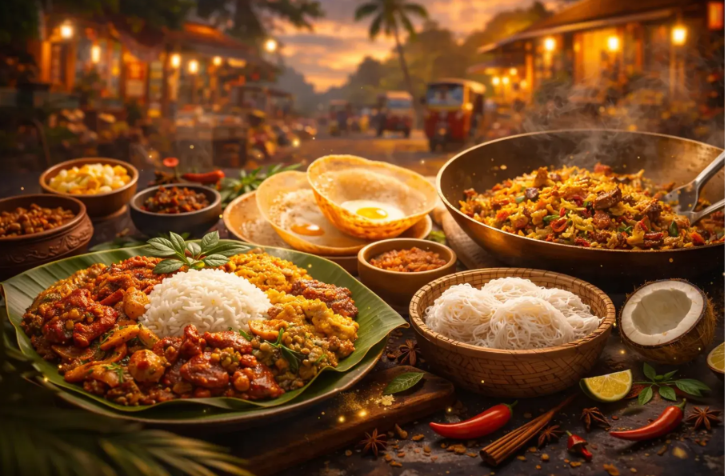
- Rice and Curry (The Daily Staple): Far more than a single dish, an authentic Sri Lankan rice and curry meal features steamed red or white rice accompanied by 4 to 8 small vegetable, lentil, and meat or fish curries. Look for parippu (creamy red lentil dhal), pol sambol (spicy grated coconut relish), gotukola sambol (fresh pennywort salad), and rich jackfruit curry (polos).
- Hoppers (Appa) & String Hoppers (Idiyappam): Bowl-shaped fermented rice flour pancakes with crispy edges and a soft centre—often cooked with an egg cracked into the middle—are a beloved breakfast and dinner staple. String hoppers, made from steamed rice noodle nests, are traditionally paired with mild coconut gravy (kiri hodi) and spicy sambol.
- Kottu Roti: The undisputed king of Sri Lankan street food. Made by rhythmically chopping flatbread (godamba roti) on a hot iron griddle with vegetables, egg, aromatic spices, and meat or cheese, the metallic clatter of kottu blades is the signature evening soundtrack of towns across the island.
- Lamprais: A legacy of Sri Lanka’s Dutch Burgher community. This flavour-packed parcel consists of rice cooked in meat stock, mixed meat curry, eggplant pickle (brinjal moju), ash plantain, and shrimp paste (blachan), all wrapped in a banana leaf and slow-baked.
- Ceylon Tea & Sweet Treats: No cultural experience is complete without sipping pure Ceylon tea grown in the central highlands, paired with traditional sweets like kavum (oil cakes), kokis (crispy rosettes), and buffalo curd drizzled with sweet kithul palm treacle.
Local Etiquette Tip: In traditional homes and local eateries (rice and curry shops), food is eaten with the fingertips of the right hand. Always wash your hands before and after meals—most local restaurants provide dedicated hand-washing sinks right in the dining area.
🏛️ Living Culture: Religion, Festivals & Island Hospitality
In Sri Lanka, culture isn’t confined to museums; it is practiced daily in temples, villages, and family kitchens.
1. Temple Traditions & Sacred Cities
Sri Lanka’s Cultural Triangle—home to ancient capitals like Anuradhapura, Polonnaruwa, and Sigiriya, alongside the hill capital of Kandy—offers a window into over 2,500 years of Buddhist heritage. Visitors are welcomed warmly at sacred sites, provided they dress modestly (covering shoulders and knees) and remove shoes and hats before entering temple grounds.
2. Vibrant Cultural Festivals in 2027
- Sinhala and Tamil New Year (Avurudu – April): Celebrated island-wide, this harvest festival marks the sun’s transition and brings families together for traditional games, boiling milk pots for prosperity, and sharing plates of festive sweets with neighbours.
- Vesak Poya (May): Sri Lanka’s most important Buddhist festival transforms streets and homes with glowing paper lanterns, intricate light displays (pandols), and dansalas—free roadside food stalls where locals joyfully offer meals, snacks, and drinks to passersby as an act of generosity.
- Kandy Esala Perahera (July/August): One of Asia’s grandest cultural pageants, featuring traditional Kandyan dancers, fire-breathers, drummers, and ceremonial elephants parading through Kandy in honour of the Sacred Tooth Relic.
(Note: Exact lunar dates for Poya days and festivals in 2027 vary by the traditional calendar—confirm dates with your local travel planner before booking.)
🌿 Authentic Culinary & Cultural Experiences to Add to Your Itinerary
To truly connect with Sri Lanka, step beyond standard tourist restaurants and immerse yourself in hands-on local life:
- Village Cooking Classes: Join a local family in Sigiriya, Kandy, or Galle to harvest fresh vegetables from a home garden, grind spices on a traditional granite stone (miris gala), and cook a multi-dish curry meal over a wood-fired clay hearth.
- Spice & Herbal Garden Visits (Matale): Walk through fragrant groves of cinnamon, cardamom, nutmeg, black pepper, and cloves to see how Sri Lanka’s world-famous spices are grown and harvested.
- Early Morning Fish & Produce Markets: Visit coastal markets in Negombo, Beruwala, or Trincomalee at sunrise to watch fishermen bring in their daily catch, or explore vibrant highland markets in Nuwara Eliya.
- Tuk-Tuk Street Food Safaris: Hop into a local tuk-tuk after sunset in Colombo, Kandy, or Galle to sample crispy isso wade (prawn fritters), freshly made hoppers, and king coconut water from trusted local vendors.
🗺️ Suggested 7-Day Sri Lanka Food & Culture Itinerary
This balanced one-week route blends iconic heritage sites with unforgettable culinary encounters:
- Day 1: Arrival & Negombo Coastal Flavours – Settle in near the coast, visit the historic Dutch Canal, and enjoy a fresh seafood dinner by the Indian Ocean.
- Day 2: Sigiriya Village Life & Traditional Cooking – Travel to the Cultural Triangle. Take a scenic village tour by tuk-tuk, learn to weave coconut leaves, and cook an authentic Sri Lankan lunch in a clay pot.
- Day 3: Sigiriya Rock Fortress & Polonnaruwa Heritage – Climb the iconic Lion Rock at sunrise, explore ancient royal ruins, and enjoy a traditional farmer’s lunch overlooking emerald paddy fields.
- Day 4: Matale Spice Gardens to Kandy – Stop at a working spice garden en route to Kandy. Visit the Temple of the Sacred Tooth Relic in the evening and witness a traditional Kandyan cultural dance performance.
- Day 5: Scenic Train & Nuwara Eliya Tea Country – Take the famous hill-country train through misty mountains and waterfalls. Tour a working Ceylon tea factory and learn the art of tea tasting.
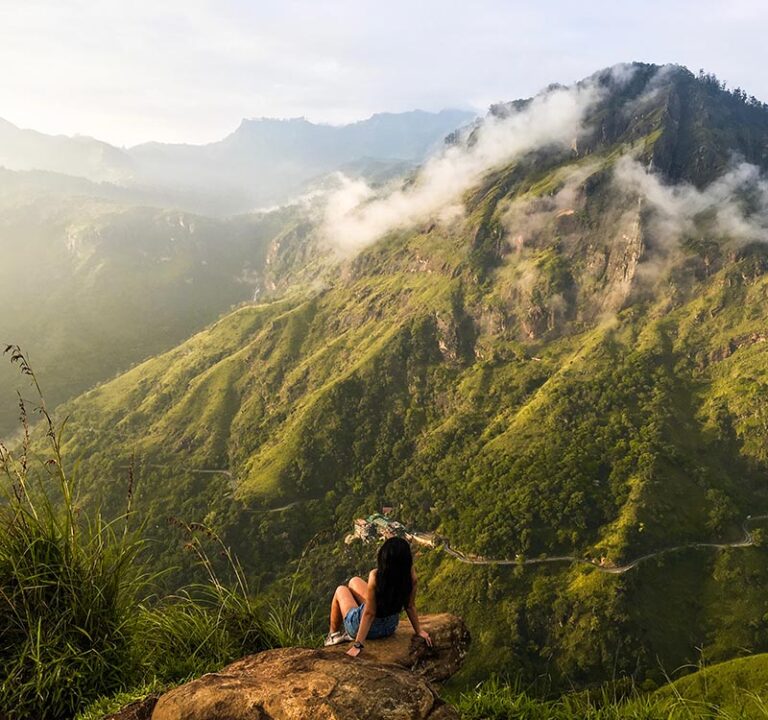
- Day 6: Ella Culinary Walk & Southern Coast – Enjoy mountain views in Ella before descending to the southern coast (Galle or Mirissa) for sunset street food.
- Day 7: Galle Fort Heritage & Departure – Stroll the cobblestone streets of the UNESCO-listed Galle Dutch Fort, sample traditional Burgher lamprais, and transfer comfortably to Bandaranaike International Airport.
🧭 Practical Travel Tips for Food & Culture Lovers (2027)
- Best Time to Visit: Sri Lanka is a year-round destination due to its two alternating monsoons. December to April is ideal for the Cultural Triangle, Hill Country, and South/West coasts, while May to September offers sunny weather for the East Coast and Cultural Triangle.
- Managing Spice Levels: Sri Lankan food can be fiery! If you prefer milder flavours, simply ask for “less spicy” or “not spicy” when ordering—locals are always happy to adjust dishes for guests.
- Food & Water Safety: Drink only bottled or properly filtered water, and stick to busy street food stalls where food is cooked fresh to order in front of you.
- Getting Around: While trains offer iconic scenery in the hill country, hiring a private vehicle with an experienced English-speaking chauffeur-guide is the easiest, safest, and most flexible way to explore rural villages, hidden local eateries, and temple sites at your own pace.
- Budgeting: Local rice and curry meals at authentic eateries typically cost around $2 to $5 USD, while mid-range restaurants and boutique dining range from $10 to $25+ USD per person. (Prices are approximate for 2027 and may vary by location.)
(Internal Link Suggestions: Link naturally to your Sri Lanka Cultural Tours, Customized Multi-Day Holiday Packages, and Tuk-Tuk & Village Experiences pages on Haven Lanka Tours & Holidays.)
✨ Experience Authentic Sri Lanka with Haven Lanka Tours & Holidays
At Haven Lanka Tours & Holidays, we believe the best memories are made when you travel like a welcomed guest rather than an ordinary tourist. Based in the heart of Sri Lanka’s Cultural Triangle in Sigiriya and operating across the entire island, our team specializes in private chauffeured tours, customized cultural itineraries, village cooking experiences, tuk-tuk adventures, and wildlife safaris.
Whether you want to explore ancient royal cities, learn family curry recipes in a rural kitchen, or plan a seamless multi-day holiday tailored to your pace and tastes, we handle every detail with genuine local warmth.
📲 Ready to plan your 2027 Sri Lankan food and culture journey? Contact us directly for a personalized itinerary and free quote:
- Business Name: Haven Lanka Tours & Holidays
- WhatsApp: +94 71 935 3418
- Email: info@havenlanka.com
- Website: https://havenlanka.com
❓ Frequently Asked Questions (FAQs)
1. Is Sri Lankan food very spicy for international travellers? Traditional Sri Lankan dishes use chili, black pepper, and warming spices, so some curries can be quite hot. However, hotels, restaurants, and village cooking hosts easily adapt spice levels upon request, and milder dishes like lentil dhal, coconut milk curries, and hoppers are always available.
2. Are there good vegetarian and vegan food options in Sri Lanka? Yes! Sri Lanka is one of the best destinations in Asia for vegetarians and vegans. Most traditional vegetable curries, lentil dhal, hoppers, string hoppers, and sambols are naturally plant-based and cooked with coconut milk rather than dairy.
3. What should I wear when visiting Buddhist and Hindu temples in Sri Lanka? Visitors must dress respectfully by covering their shoulders and knees—avoid shorts, sleeveless tops, and short skirts. White or light-coloured clothing is traditional and comfortable. You will also need to remove your shoes and hats before entering sacred temple areas.
4. Is street food safe to eat in Sri Lanka? Yes, provided you choose busy vendors where food is cooked fresh over high heat in front of you, such as freshly chopped kottu roti or hot hoppers. Avoid pre-cut raw fruits from roadside stalls and always drink sealed bottled water.
5. How much should I tip guides, drivers, and restaurant staff in Sri Lanka? Tipping is appreciated for good service. In restaurants, a 10% service charge is often included on the bill, though leaving a small extra tip for great service is welcomed. For private chauffeur-guides on multi-day tours, travellers commonly tip around $10–$20 USD per day depending on service quality and group size.
6. Can I combine a cultural and culinary tour with a wildlife safari? Absolutely. Because Sri Lanka is compact, it is easy to combine cultural sites like Sigiriya and Kandy with village cooking classes and an afternoon jeep safari in Minneriya, Kaudulla, or Yala National Park within a single trip.