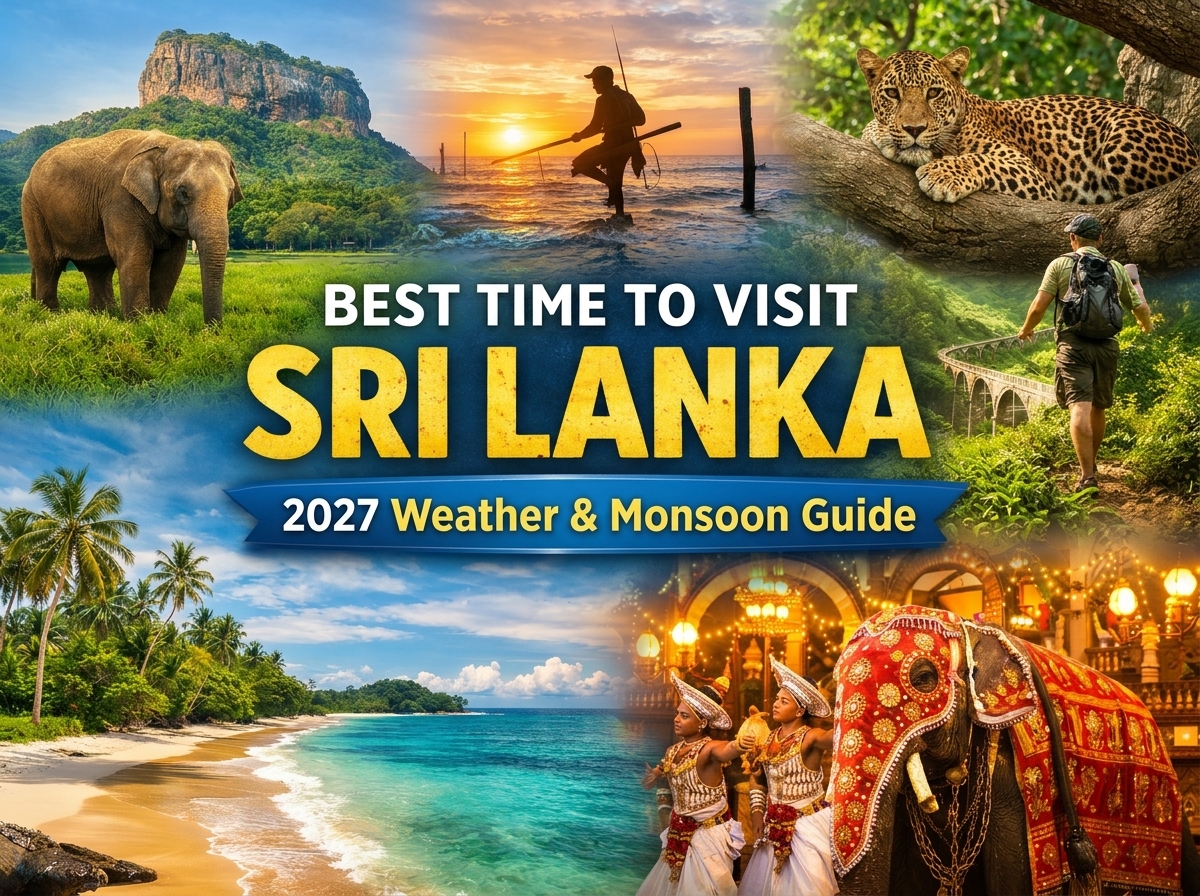
Best Time to Visit Sri Lanka (2027 Weather & Monsoon Guide)
Planning a trip to Sri Lanka comes with one of the best travel perks in Asia: it is a true year-round destination. Unlike destinations where a single rainy season shuts down the entire country, Sri Lanka is governed by two separate monsoon systems that affect opposite sides of the island at different times of the year.
Whether you are dreaming of golden southern beaches, misty hill country train rides, leopard safaris, or ancient cultural cities, knowing where the sun is shining during your travel month makes all the difference. Here is your complete 2027 guide to Sri Lanka’s weather, seasons, and regional highlights.
🌦️ Understanding Sri Lanka’s Two Monsoons
Sri Lanka sits just north of the equator, keeping coastal temperatures consistently warm year-round—typically between 27°C and 32°C (80°F–90°F)—while the central highlands stay cool and refreshing at 15°C to 22°C (59°F–72°F).
Instead of four traditional seasons, weather patterns are shaped by two monsoons:
- The Southwest Monsoon (Yala Monsoon) – May to September: Brings rain and rougher seas to the west coast, south coast, and parts of the central hill country. Meanwhile, the east coast and northern regions enjoy bright sunshine, calm seas, and peak beach weather.
- The Northeast Monsoon (Maha Monsoon) – October to January: Brings rainfall primarily to the north and east coasts (especially in November and December), while the west and south coasts enter their dry, sunny peak season.
- Inter-Monsoon Periods – April & October/November: Transitional months featuring warm mornings, lush green landscapes, and short, localized afternoon showers rather than all-day rain.
🗺️ Best Time to Visit by Region
Because weather shifts across short distances, matching your route to the season ensures the best experience:
1. West & South Coasts (Colombo, Bentota, Galle, Mirissa, Weligama, Tangalle)
- Best Time: December to April
- What to Expect: Calm turquoise seas, blue skies, ideal surfing for beginners in Weligama, and prime whale-watching conditions off Mirissa.
- Shoulder Months: November and late April offer great value and fewer crowds with mostly sunny days.
2. East & North Coasts (Trincomalee, Nilaveli, Passikudah, Arugam Bay, Jaffna)
- Best Time: May to September
- What to Expect: Warm, dry sunshine across the east coast. Arugam Bay becomes a world-famous surf hub, while Nilaveli, Pigeon Island, and Passikudah offer glass-calm waters for snorkelling and diving.
3. Central Hill Country (Kandy, Nuwara Eliya, Ella, Haputale)
- Best Time: January to April (and July to September for dry hiking conditions)
- What to Expect: Crisp mountain air, clear panoramic viewpoints, and lush emerald tea estates. Always pack a light jacket or sweater—evenings in Nuwara Eliya and Horton Plains can get chilly year-round.
4. The Cultural Triangle (Anuradhapura, Polonnaruwa, Sigiriya, Dambulla)
- Best Time: January to September
- What to Expect: This dry-zone heartland remains warm and accessible for most of the year. Climbing rock fortresses and cycling through ancient ruins is best done early in the morning before midday heat peaks.
📅 Month-by-Month Sri Lanka Weather & Travel Breakdown (2027)
- January
- Best Regions: South & West Coasts, Hill Country, Cultural Triangle
- Weather: Dry, sunny, and pleasantly warm; cool nights in the hills.
- Top Experiences: Whale watching in Mirissa, scenic Kandy–Ella train rides, beach stays.
- February (Peak Season)
- Best Regions: Island-wide
- Weather: Minimal rain across almost the entire country; low humidity.
- Top Experiences: Classic round-island tours, Yala safaris, Adam’s Peak sunrise hikes.
- March
- Best Regions: South & West Coasts, Hill Country, Cultural Triangle
- Weather: Warm and sunny; temperatures rise slightly in inland plains.
- Top Experiences: Snorkelling on the south coast, wildlife spotting, tea estate tours.
- April
- Best Regions: Hill Country, East Coast, Cultural Triangle
- Weather: Hotter temperatures with brief late-afternoon inter-monsoon showers.
- Top Experiences: Sinhala & Tamil New Year cultural festivities (mid-April), cooler hill escapes.
- May
- Best Regions: East Coast, Cultural Triangle
- Weather: Southwest monsoon begins; east coast turns sunny and dry.
- Top Experiences: Quiet shoulder-season travel, snorkelling in Trincomalee, surfing in Arugam Bay.
- June
- Best Regions: East Coast, North (Jaffna), Cultural Triangle
- Weather: Dry and breezy on the east coast; wet along the southwest coast.
- Top Experiences: Beach holidays in Passikudah & Nilaveli, exploring Jaffna’s temples.
- July
- Best Regions: East Coast, Cultural Triangle, Hill Country
- Weather: Sunny in the east and dry zone; occasional mist in central hills.
- Top Experiences: Wildlife safaris in Minneriya & Kaudulla (“The Gathering”), east coast surfing.
- August
- Best Regions: East Coast, Kandy, Cultural Triangle
- Weather: Dry and vibrant in the east; festival atmosphere in Kandy and Jaffna.
- Top Experiences: Kandy Esala Perahera & Nallur Festival (exact 2027 dates confirmed closer to mid-year).
- September
- Best Regions: East Coast, Cultural Triangle, Hill Country
- Weather: Great value shoulder month; east coast remains warm before rains return.
- Top Experiences: Leopard safaris in Wilpattu, scenic hikes in Ella, uncrowded cultural sites.
- October
- Best Regions: Cultural Triangle, West/South (late month)
- Weather: Inter-monsoon showers across the island; lush green scenery.
- Top Experiences: Off-peak hotel rates, Ayurveda wellness retreats, photography tours.
- November
- Best Regions: South & West Coasts, Hill Country
- Weather: South and west coasts clear up; northeast monsoon hits east coast.
- Top Experiences: Early-season beach getaways in Galle & Bentota, tea factory visits.
- December
- Best Regions: South & West Coasts, Hill Country, Cultural Triangle
- Weather: Bright, festive peak season on the south/west coasts and hills.
- Top Experiences: Festive coastal holidays, whale watching, start of Adam’s Peak pilgrimage.
Note: Tropical weather patterns can shift slightly from year to year. Always check local forecasts and confirm seasonal park closures (such as Yala National Park’s annual maintenance closure, typically in September) before finalising your travel dates.
🐘 Best Time for Specific Activities in Sri Lanka
- Wildlife Safaris: February to July is prime for leopard sightings in Yala and Wilpattu as waterholes shrink, while July to September is famous for The Gathering—where hundreds of wild elephants congregate around Minneriya and Kaudulla reservoirs.
- Whale & Dolphin Watching: November to April off the south coast (Mirissa) and May to September off the east coast (Trincomalee).
- Surfing: November to April on the south and southwest coasts (Weligama, Midigama, Hikkaduwa) and May to September on the east coast (Arugam Bay).
- Scenic Train Journeys & Hiking: January to April and July to September provide the clearest mountain views along the Kandy–Nanu Oya–Ella railway route.
🗺️ Suggested Weather-Smart Itineraries
Option A: Classic Winter Sun Route (December – April | 10 Days)
- Days 1–2: Negombo & Cultural Triangle (ancient cities, village tuk-tuk tour, rock fortress hike)
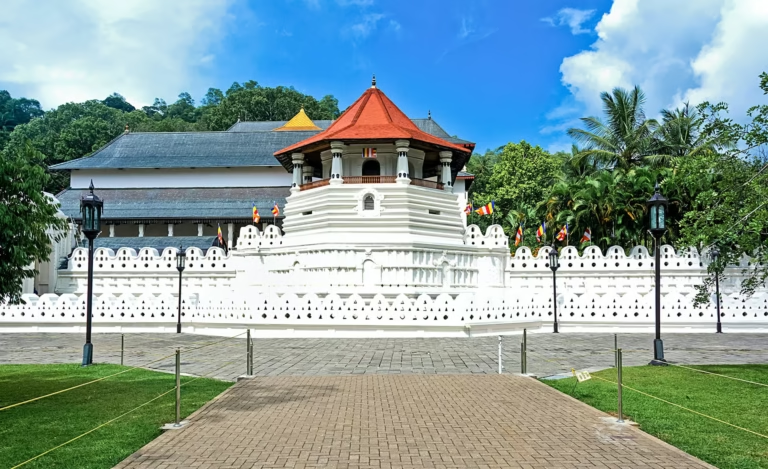
- Days 3–4: Kandy (Temple of the Sacred Tooth Relic, Royal Botanical Gardens, cultural dance)
- Days 5–6: Nuwara Eliya & Ella (scenic train ride, tea plantation tour, Nine Arches Bridge, Little Adam’s Peak)
- Days 7–8: Yala or Udawalawe (private morning wildlife safari)
- Days 9–10: South Coast – Mirissa, Galle Fort & Bentota (beach relaxation, whale watching, sunset walk)
Option B: Summer East Coast & Wildlife Route (May – September | 10 Days)
- Days 1–3: Cultural Triangle & Minneriya (ancient heritage sites & elephant gathering safari)
- Days 4–6: Trincomalee & Nilaveli (snorkelling at Pigeon Island, Koneswaram Temple, beach days)
- Days 7–8: Passikudah or Arugam Bay (calm lagoon swimming or world-class surfing)
- Days 9–10: Ella & Kandy (cool mountain retreat and scenic hill-country drive back toward Colombo)
Explore more tailored routes on our Sri Lanka Tour Packages and Custom Holiday Itineraries pages at https://havenlanka.com.
💡 Practical Travel & Transport Tips for 2027
- Hire a Private Chauffeur-Guide: Sri Lanka’s road network winds through mountain passes and rural towns, meaning short distances can take longer than expected. Travelling with a dedicated private driver gives you door-to-door comfort, air-conditioned transport, and the flexibility to adjust stops if an afternoon shower rolls through.
- Book Train Tickets Early: Reserved seats on the Kandy-to-Ella scenic train sell out weeks in advance during peak months (December–March and July–August). Confirm bookings early through a trusted local operator.
- Pack Smart for Microclimates: Bring breathable cotton or linen clothing for humid coastal towns, modest attire (covering shoulders and knees) for temples, a lightweight waterproof rain jacket, and a warm layer for the central highlands.
- Visa & Entry Requirements: Most international visitors must apply for an Electronic Travel Authorization (ETA) / tourist visa online prior to arrival. Always verify the latest visa rules and fees on the official Sri Lanka Immigration portal before flying.
❓ Frequently Asked Questions (FAQs)
1. What is the overall best month to visit Sri Lanka? January and February are widely considered the best months overall because the south coast, west coast, cultural triangle, and hill country all enjoy dry, sunny weather simultaneously. However, July and August are equally great if you focus on the east coast, cultural sites, and hill country.
2. Can I visit Sri Lanka during the monsoon season? Yes! Because Sri Lanka has two opposing monsoons, when one coast is wet, the other is dry and sunny. Even during monsoon months, rain often falls in short, heavy tropical bursts rather than non-stop drizzle, and you benefit from lower hotel rates and quieter attractions.
3. When is the cheapest time to visit Sri Lanka? The shoulder and green seasons—particularly May, June, September, and October—offer the best hotel discounts and fewer crowds, while still providing fantastic weather in the east and cultural triangle.
4. What is the hottest month in Sri Lanka? April and May are typically the warmest months across the lowlands and coastal areas, with daytime temperatures reaching 32°C–34°C (90°F–93°F). Heading up into Nuwara Eliya or Haputale offers an instant cool escape.
5. Is Sri Lanka safe for international tourists in 2027? Yes, Sri Lanka is welcoming, safe, and well-established for solo travellers, couples, and families. Travelling with a registered local tour company ensures reliable transport, vetted accommodations, and 24/7 on-ground support.
6. How many days do I need for a Sri Lanka holiday? A 10 to 14-day itinerary is ideal to comfortably experience Sri Lanka’s highlights—combining ancient culture, misty tea country, a wildlife safari, and beach relaxation—without feeling rushed.
🌴 Plan Your Weather-Perfect Sri Lanka Holiday with Haven Lanka Tours & Holidays
Don’t let monsoon calendars confuse your travel plans. At Haven Lanka Tours & Holidays (Your Local Partner for Authentic Sri Lankan Experiences), we design 100% customized private tours routed around the best seasonal weather for your exact travel dates—complete with comfortable private vehicles, experienced local chauffeur-guides, wildlife safaris, cultural experiences, and authentic tuk-tuk adventures across the entire island.
📲 Message us directly on WhatsApp today for a free, tailor-made itinerary and quote:
- Company: Haven Lanka Tours & Holidays
- Website: https://havenlanka.com
- WhatsApp: +94 71 935 3418
- Email: info@havenlanka.com