Anuradhapura Travel Guide 2027: Top Sites, Tips & Itinerary
Step into the cradle of Sri Lankan civilization. Founded in the 4th century BCE, the sacred city of Anuradhapura served as the island’s royal capital for over a millennium and remains one of the world’s oldest continuously inhabited cities. Recognized as a UNESCO World Heritage Site, this sprawling archaeological wonder in Sri Lanka’s North Central Province is home to colossal brick stupas, ancient monastic complexes, sophisticated irrigation reservoirs, and the world’s oldest historically documented living tree.
Whether you are a history enthusiast, a spiritual seeker, or a curious traveller exploring Sri Lanka’s Cultural Triangle, this complete 2027 travel guide covers everything you need to know to plan an unforgettable visit to Anuradhapura.
Why Visit Anuradhapura?
Unlike compact archaeological sites you can walk through in an hour, Anuradhapura is a living, breathing sacred city spread across roughly 40 square kilometres. Here, centuries-old ruins sit harmoniously alongside active Buddhist temples, serene lakes, and lush parkland where monkeys, peacocks, and water birds roam freely.
Visiting Anuradhapura offers a rare opportunity to witness active devotion—thousands of white-clad pilgrims offering lotus blossoms and incense—amidst monumental architecture that once rivalled the pyramids of ancient Egypt in scale.
Top Attractions & Things to Do in Anuradhapura
1. Jaya Sri Maha Bodhi (The Sacred Bodhi Tree) 🌳
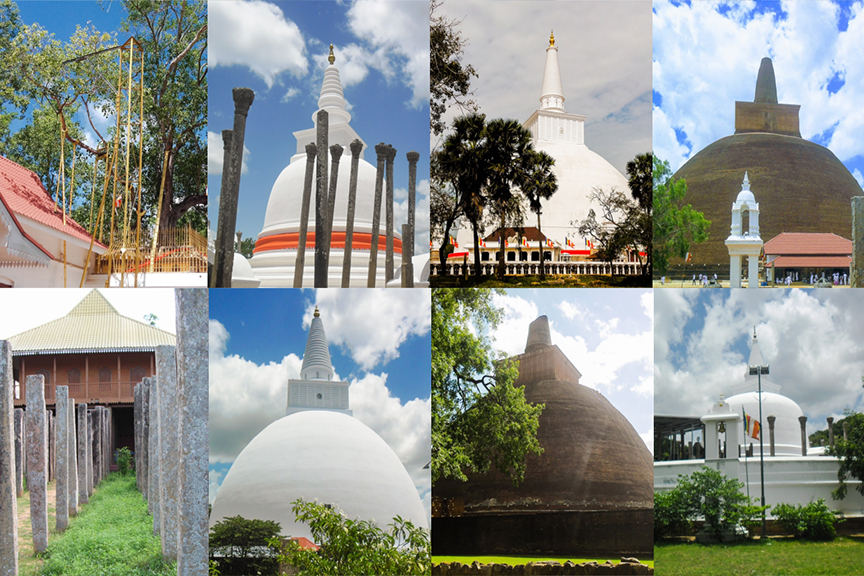
At the spiritual heart of Anuradhapura stands the Jaya Sri Maha Bodhi, a sacred fig tree grown from a cutting of the original Bodhi tree in Bodh Gaya, India, under which Siddhartha Gautama attained enlightenment. Planted in 288 BCE, it is the oldest living human-planted tree in the world with a known planting date.
- What to expect: Expect a deeply peaceful atmosphere filled with chanting, oil lamps, and devotees. Security checks are in place at the entrance, and modest dress is strictly enforced.
2. Ruwanwelisaya Stupa 🛕
Built by King Dutugemunu around 140 BCE, this gleaming white hemispherical stupa is an architectural masterpiece and one of the most venerated monuments in Sri Lanka. Surrounded by a massive wall adorned with hundreds of sculpted stone elephants, Ruwanwelisaya looks particularly magical at sunrise and dusk when illuminated against the twilight sky.
3. Jetavanaramaya Stupa
When completed in the 3rd century CE, Jetavanaramaya was the third-tallest structure in the ancient world—surpassed only by the two Great Pyramids of Giza. Constructed from an estimated 93 million baked bricks, its sheer scale is humbling when viewed up close.
4. Abhayagiri Monastery & Stupa
Once a thriving international monastic university housing up to 5,000 monks, the Abhayagiri complex blends striking architecture with tranquil forest trails. Look closely at the intricate Moonstone (Sandakada Pahana) and Guardstone carvings near the entrances, which represent some of the finest ancient Sri Lankan stone artistry.
5. Isurumuniya Rock Temple
Carved directly into a dramatic boulder beside Tissa Wewa, this 3rd-century BCE rock temple is famous for its delicate stone carvings—most notably The Isurumuniya Lovers, a sculpture celebrated for its grace and emotional warmth. Climb the rock steps behind the shrine for sweeping views over the surrounding paddy fields and reservoirs.
6. Twin Ponds (Kuttam Pokuna)
A testament to ancient Sinhalese hydraulic engineering, these two symmetrical, granite-lined bathing pools were used by monks of the Abhayagiri monastery. Underground aqueducts filtered and supplied fresh water into the pools centuries before modern plumbing existed.
7. Mihintale (The Cradle of Buddhism in Sri Lanka) ⛰️
Located just 13 km east of Anuradhapura, Mihintale is the sacred mountain peak where Buddhism was first introduced to Sri Lanka in 247 BCE. Climbing the 1,840 granite steps—shaded by frangipani trees—rewards you with panoramic sunset views across the North Central plains, ancient hospital ruins, and the hilltop Ambasthale Dagoba.
8. Wilpattu National Park Safari (Day Trip) 🐆
Just a 45-minute drive west of Anuradhapura lies Wilpattu National Park, Sri Lanka’s largest and oldest wildlife sanctuary. Famous for its natural sand-rimmed lakes (villus), Wilpattu is one of the best places in the country to spot the elusive Sri Lankan leopard, sloth bears, elephants, and endemic birds without heavy jeep crowds.
Best Ways to Explore Anuradhapura
Because the monuments are spread over vast distances, exploring solely on foot under the tropical sun is not recommended. Here are the best ways to get around:
- Private Tuk-Tuk Tour: Arguably the most authentic and enjoyable way to explore the Sacred City. A local tuk-tuk lets you breeze between stupas, stop effortlessly for fresh king coconuts, and navigate shaded backroads.
- Private Car or Van with a Chauffeur-Guide: Ideal for families, couples, or travellers seeking air-conditioned comfort between sites, especially during warmer afternoons.
- Bicycle Rental: Great for early-morning explorers who want to cycle along quiet tree-lined lanes at their own pace (best done between 6:30 AM and 10:00 AM before midday heat peaks).
Practical Travel Information for 2027
Best Time to Visit
- December to April (Peak Dry Season): Offers sunny skies, lower humidity, and comfortable mornings—ideal for sightseeing and pairing Anuradhapura with a Wilpattu safari.
- May to September: Hotter and drier in the North Central Province, with occasional brief showers. Visiting early in the morning or late afternoon makes sightseeing very pleasant, with fewer crowds.
- Poya (Full Moon) Days: Monthly Buddhist holidays bring thousands of local pilgrims dressed in white. While deeply atmospheric, expect larger crowds and limited alcohol sales nationwide.
Entry Tickets & Estimated Costs
- Foreign visitors are required to purchase an Anuradhapura Archaeological Site Ticket (historically around USD 25–30 per adult, with discounted rates for SAARC nationals and children).
- Separate small entrance fees apply at Isurumuniya and Mihintale (typically a few hundred Sri Lankan Rupees).
- Note: Ticket prices, payment rules (cash vs. card), and opening hours are set by Sri Lanka’s Central Cultural Fund and Department of Archaeology and are subject to change in 2027. Always confirm current rates and carry some Sri Lankan Rupees (LKR) before visiting.
Cultural Etiquette & Dress Code 👟
Anuradhapura is an active sacred site, not merely an open-air museum:
- Cover shoulders and knees: Both men and women must wear modest clothing. Avoid sleeveless tops, short shorts, or above-the-knee skirts.
- Remove shoes and hats: You must take off footwear and headwear before entering temple grounds and stupa platforms. Bring thick socks—stone pavements can become extremely hot by late morning!
- Respectful photography: Never pose with your back turned toward a Buddha statue, and avoid climbing on ancient ruins.
How to Get to Anuradhapura
- From Sigiriya / Dambulla: Approximately 1.5 hours (75 km) by road—making Anuradhapura an effortless day trip or en-route stop when travelling north.
- From Colombo / Bandaranaike International Airport (CMB): Around 4 to 4.5 hours by private vehicle, or 3.5 to 4.5 hours via scenic intercity train from Colombo Fort Railway Station.
- From Kandy: Roughly 3 to 3.5 hours by car via Dambulla.
Explore Anuradhapura with a Trusted Local Expert
Navigating a 2,000-year-old sacred capital is infinitely more rewarding when you understand the stories carved into its stones. At Haven Lanka Tours & Holidays, based right next door in Sigiriya, we specialize in crafting seamless, authentic experiences across Sri Lanka’s Cultural Triangle and beyond.
Whether you want an unhurried private tuk-tuk tour through Anuradhapura’s hidden ruins, a knowledgeable local guide to bring ancient history to life, or a customized multi-day Sri Lanka holiday combining Anuradhapura, Sigiriya, and a Wilpattu leopard safari—we take care of every detail with warm local hospitality.
Ready to plan your 2027 Sri Lanka adventure?
Contact our local team today for personalized itineraries, private transport, and direct booking rates:
- Haven Lanka Tours & Holidays
- Website: https://havenlanka.com
- WhatsApp: +94 71 935 3418
- Email: info@havenlanka.com
Frequently Asked Questions (FAQs)
1. How many days do you need in Anuradhapura?
One full day is enough to see Anuradhapura’s major stupas, the Jaya Sri Maha Bodhi, and Mihintale. However, spending 1 to 2 nights allows you to explore at a relaxed pace during cooler morning hours and add a half-day safari at nearby Wilpattu National Park.
2. Can I visit Anuradhapura as a day trip from Sigiriya?
Yes! Anuradhapura is only about 1.5 hours by car from Sigiriya, making it one of the most popular and rewarding day trips in Sri Lanka’s Cultural Triangle.
3. Is Anuradhapura or Polonnaruwa better to visit?
Both are UNESCO World Heritage Sites with distinct personalities. Anuradhapura is older, larger, and deeply spiritual, with active pilgrimage sites and massive stupas. Polonnaruwa (10th–12th century) is more compact, easier to cycle around, and features remarkably preserved stone sculptures. If time permits, visiting both offers the complete story of ancient Sri Lanka.
4. What should I wear when visiting Anuradhapura?
Wear lightweight, breathable clothing that covers your shoulders and knees—such as linen trousers, long skirts, or loose T-shirts. Light-coloured or white clothing is traditional and practical in the sun. Pack a pair of thick socks to protect your feet from hot stone courtyards after removing your shoes.
5. What is the best time of day to explore the Sacred City?
Start as early as possible—ideally between 6:30 AM and 7:30 AM—to enjoy cooler temperatures, soft photography light, and peaceful morning rituals. Late afternoon (after 3:30 PM) is also wonderful for visiting Ruwanwelisaya and Mihintale at sunset.
6. Are guides available at Anuradhapura?
Yes, hiring a licensed local guide or booking a guided private tour is highly recommended. Many subtle architectural details, Buddhist symbolism, and royal histories are easy to miss without expert local context.