Ethical Wildlife & Safari Guide to Sri Lanka (2027)
Sri Lanka is one of the world’s premier wildlife destinations, famous for dense populations of Asian elephants, elusive Sri Lankan leopards, sloth bears, blue whales, and hundreds of endemic bird species. As wildlife tourism continues to grow in 2027, modern travellers are increasingly asking an important question before booking: How can I experience Sri Lanka’s wildlife ethically without harming animals or disturbing fragile habitats?
Choosing responsible wildlife experiences protects Sri Lanka’s biodiversity while giving you far more rewarding, authentic encounters in the wild. Here is everything you need to know about ethical safaris, sanctuaries, marine tours, and responsible travel practices across the island.
🌿 What Does “Ethical Wildlife Tourism” Mean in Sri Lanka?
Ethical wildlife tourism puts animal welfare, natural behaviour, and habitat conservation ahead of tourist photo opportunities. In Sri Lanka, a truly responsible wildlife experience follows clear principles:
- Zero Forced Interaction: Wild animals are never chained, baited, ridden, bathed for entertainment, or forced to pose for selfies.
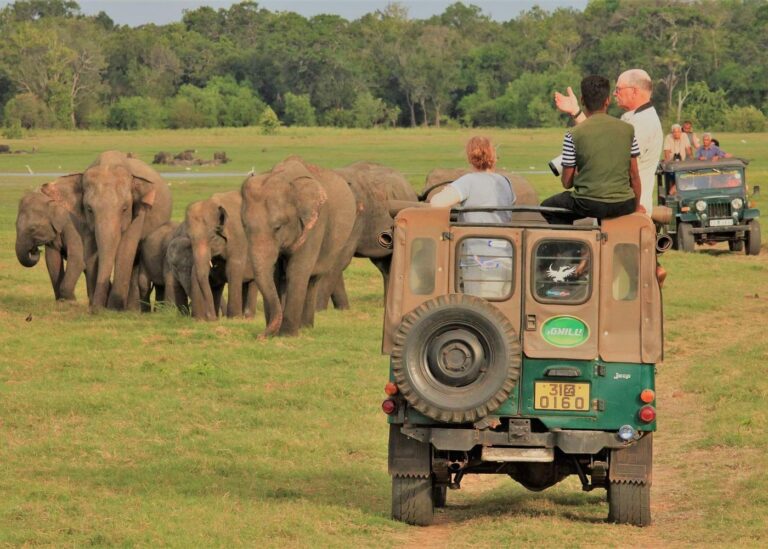
- Respecting Natural Space: Safari jeeps and boats maintain a safe, quiet distance so animals can feed, rest, and move freely without stress.
- Strict Park Regulations: Drivers stay on designated tracks inside national parks rather than driving off-road through delicate vegetation.
- Supporting Genuine Conservation: Entrance fees and tour revenue directly support government conservation agencies, anti-poaching efforts, and rehabilitation programs that return animals to the wild.
🐘 Best Ethical Wildlife & Safari Experiences in Sri Lanka
1. Wild Elephant Safaris in National Parks
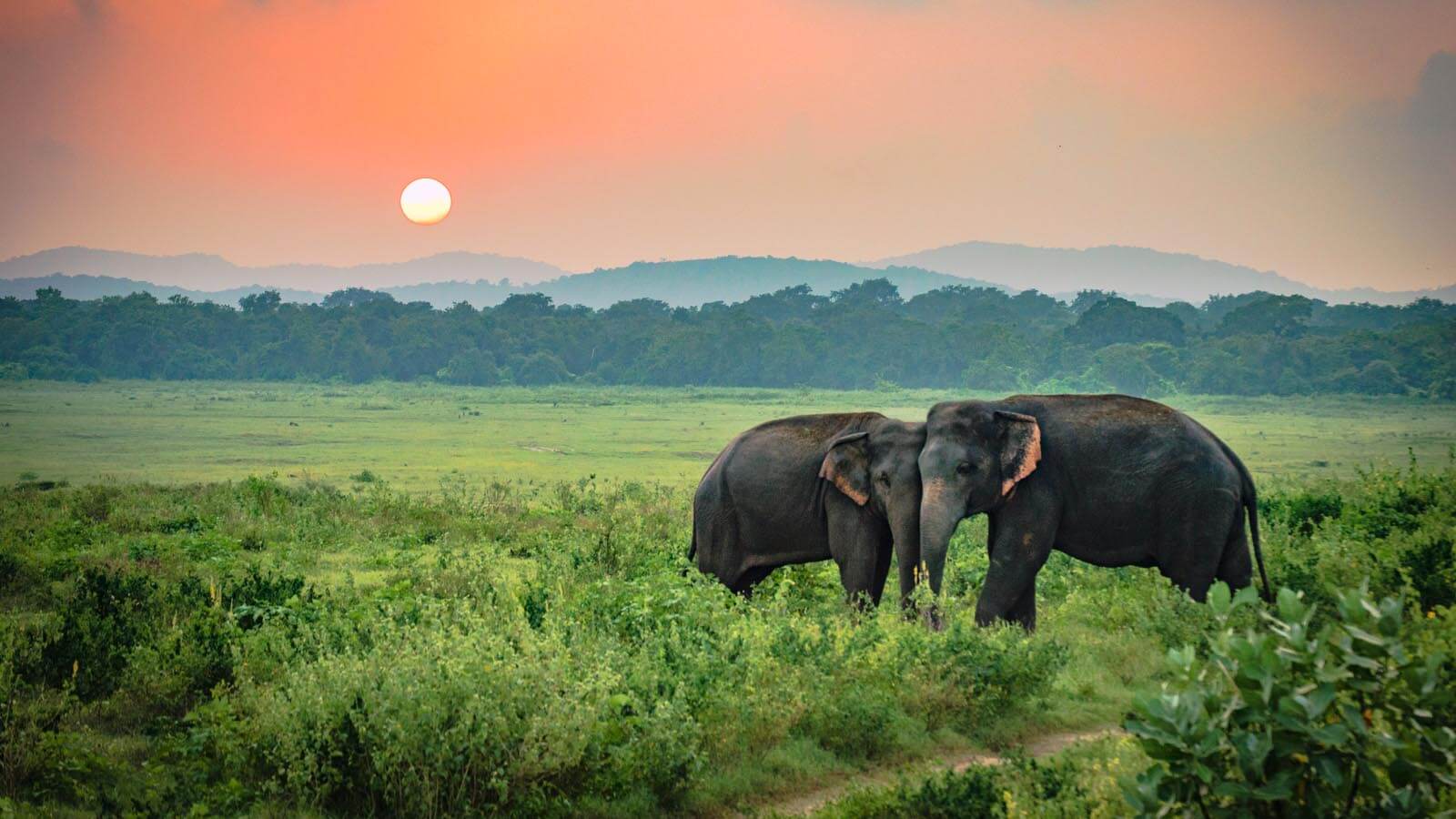
Seeing elephants roaming freely in their natural habitat is one of Sri Lanka’s greatest privileges. Depending on the season, you can observe wild herds across several protected parks:
- Udawalawe National Park: Famous for year-round elephant sightings in open grasslands and scrub forest, making it ideal for spotting mothers and calves calmly grazing.
- Minneriya & Kaudulla National Parks: Located in the North Central plains, these parks host the seasonal dry-season phenomenon known as The Gathering (typically July to September), when hundreds of elephants congregate around receding reservoirs.
- Gal Oya National Park: Offers rare boat safaris on Senanayake Samudraya, where elephants can occasionally be seen swimming between islands in a quiet, low-crowd setting.
2. Udawalawe Elephant Transit Home (ETH)
If you want to learn about elephant rehabilitation, the Udawalawe Elephant Transit Home—operated by Sri Lanka’s Department of Wildlife Conservation (DWC)—is the gold standard for ethical care. Unlike commercial elephant attractions, the ETH rescues orphaned and injured wild calves, minimises human bonding, and releases them back into the wild once they are strong enough to survive independently.
- What to Expect: Visitors watch milk-feeding sessions from an elevated viewing platform behind a barrier, ensuring zero physical contact with the calves.
- Visiting Hours & Feeding Times: Public viewing sessions typically run at 9:00 AM, 12:00 PM, 3:00 PM, and 6:00 PM daily (though schedules occasionally shift to 10:30 AM, 2:30 PM, and 6:00 PM depending on DWC updates—always confirm locally before visiting).
- Estimated Entry Cost: Around USD 5–6 (approximately LKR 1,500–1,800 plus VAT) for foreign adults, payable at the gate.
3. Low-Crowd Leopard & Sloth Bear Safaris
While Yala National Park (Block 1) is famous for high leopard density, peak-season vehicle congestion can sometimes crowd sightings. Travellers seeking a quieter, more ethical pace often prefer:
- Wilpattu National Park: Sri Lanka’s largest national park, characterised by dense forest cover and natural sand-rimmed lakes (villus). Because vehicles spread out across a vast area, sightings of leopards, sloth bears, and spotted deer feel peaceful and unhurried.
- Kumana National Park: Bordering Yala on the eastern side, Kumana offers rich wetland birdlife alongside leopards and elephants with significantly fewer jeeps.
4. Responsible Whale & Dolphin Watching
Sri Lanka’s deep coastal waters attract blue whales, sperm whales, and spinner dolphins. Ethical marine operators follow strict whale-watching guidelines:
- Never chase, encircle, or cut across the path of whales.
- Approach slowly from the side and reduce engine speed within 100 metres.
- Never allow swimming with whales or dolphins.
- Best Seasons: Mirissa and the south coast from November to April; Trincomalee on the east coast from May to September.
5. Ethical Sea Turtle Conservation
Five species of endangered sea turtles nest along Sri Lanka’s coastline. While many hatcheries operate along the south and west coasts, not all follow best practices. Look for projects that:
- Release hatchlings into the ocean the same night they emerge rather than keeping them in tanks for days.
- Never allow tourists to handle or hold hatchlings.
- Focus on protecting wild nesting beaches (such as Rekawa Beach near Tangalle, where night-time turtle watches are conducted under strict red-light and quiet-observation rules).
🚫 Wildlife Activities to Avoid in Sri Lanka
To ensure your holiday does not unintentionally fund animal cruelty, avoid attractions that offer:
- Elephant Rides or Tourist Elephant Bathing: Captive elephants used for rides or commercial river bathing often endure harsh training methods and prolonged chaining.
- Roadside Wildlife Selfies: Never pay street handlers posing with monkeys, pythons, or slow lorises.
- Off-Road Jeep Chasing: If a safari driver speeds aggressively, surrounds an animal, or drives off marked trails, politely ask them to slow down and keep a respectful distance.
📅 Best Time to Visit for Ethical Wildlife Safaris
Because Sri Lanka experiences two alternating monsoon seasons, wildlife viewing is possible year-round if you choose the right region:
| Season | Best Wildlife Regions | Top Highlights |
| December – April | Yala, Udawalawe, Wilpattu, Sinharaja, Mirissa | Dry weather in the south/west; great for leopards, elephants, rainforest birds, and south-coast blue whales. |
| May – September | Minneriya, Kaudulla, Gal Oya, Kumana, Trincomalee | Dry season in the north/east; ideal for The Elephant Gathering and east-coast whale watching. |
| October – November | Udawalawe & Wilpattu (shoulder period) | Lush green landscapes, migratory bird arrivals, and noticeably fewer safari vehicles. |
💰 Estimated Safari Costs & Practical Tips (2027)
Planning your budget ahead helps avoid last-minute surprises at park gates:
- National Park Entrance Fees: For major Category I parks (such as Yala, Udawalawe, Wilpattu, and Minneriya), total government entrance fees—including per-person ticket, vehicle entry, service charge, and 18% VAT—typically start around USD 42–45 per foreign adult and USD 18–22 for children aged 6–12 (children under 6 enter free). Note: Government tariffs and exchange rates are subject to revision; always confirm current rates before travel.
- Private Safari Jeep Hire: Expect to pay roughly LKR 12,000–20,000 (approx. USD 40–65) per jeep depending on whether you book a half-day (3–4 hours) or full-day safari and the distance from your hotel.
- Book a Dedicated Private Jeep: Sharing crowded jeeps often leads to rushed stops. Booking a private safari jeep with an experienced naturalist driver lets you spend quiet, unhurried time observing birdlife, tracks, and animal behaviour.
- Choose Early Morning Slots: Entering the park at opening time (around 6:00 AM) provides cooler temperatures, active predators, softer light for photography, and calmer trails.
- What to Pack: Neutral-coloured breathable clothing (khaki, olive, brown), binoculars, a telephoto lens, sun protection, refillable water bottles, and zero single-use plastics.
🗺️ Suggested 7-Day Ethical Wildlife & Nature Itinerary
If wildlife is the centerpiece of your Sri Lanka trip, consider this balanced, low-rush route:
- Day 1: Arrival at Bandaranaike International Airport; transfer to a peaceful eco-lodge near Wilpattu National Park.
- Day 2: Early morning private safari in Wilpattu; afternoon transfer toward the Cultural Triangle (Habarana/Sigiriya area).
- Day 3: Morning birdwatching and forest walk; afternoon ethical elephant safari in Minneriya or Kaudulla National Park (seasonal).
- Day 4: Scenic drive through the central highlands to Ella or Haputale via tea plantations and waterfalls.
- Day 5: Transfer south to Udawalawe; afternoon visit to the Elephant Transit Home feeding session.
- Day 6: Dawn safari in Udawalawe National Park; continue to Tangalle/Rekawa for an ethical night-time sea turtle nesting watch.
- Day 7: Relaxed morning along the southern coast before private transfer back to Colombo or the airport.
🚐 Exploring Sri Lanka Responsibly with Haven Lanka Tours & Holidays
Navigating park timings, ethical operators, and cross-island routes is effortless when you travel with knowledgeable locals who care deeply about Sri Lanka’s natural heritage. At Haven Lanka Tours & Holidays, we design customized private tours across the entire island—connecting you with licensed, conservation-minded safari drivers, comfortable private vehicles, and authentic local experiences tailored to your pace.
Whether you want a dedicated wildlife photography expedition, a family-friendly nature holiday, or a mix of safaris, cultural heritage, and scenic train journeys, our team handles every detail transparently.
(Planning your full route? Explore our Custom Sri Lanka Multi-Day Tour Packages, Best Time to Visit Sri Lanka Weather Guide, and Private Chauffeur & Transport Services on havenlanka.com for more inspiration.)
Ready to Plan Your Ethical Sri Lanka Safari?
Contact our local travel specialists directly on WhatsApp to start building your tailor-made 2027 itinerary:
- Company: Haven Lanka Tours & Holidays
- Website: https://havenlanka.com
- WhatsApp: +94 71 935 3418
- Email: info@havenlanka.com
❓ Frequently Asked Questions (FAQs)
1. Which national park in Sri Lanka is best for an ethical elephant safari? Udawalawe National Park offers reliable year-round elephant sightings in open terrain, while Minneriya and Kaudulla are famous for large seasonal herds between July and September. Gal Oya is an excellent quiet alternative featuring boat safaris.
2. Is the Udawalawe Elephant Transit Home ethical? Yes. Managed by Sri Lanka’s Department of Wildlife Conservation, the Elephant Transit Home rehabilitates orphaned wild elephant calves with minimal human contact so they can be successfully released back into the wild. Visitors observe feeding strictly from a viewing platform.
3. Should I choose Yala or Wilpattu for a leopard safari? Both parks offer strong chances of spotting Sri Lankan leopards. Yala Block 1 has higher leopard density, while Wilpattu is much larger and generally offers a quieter, less crowded safari atmosphere.
4. Are elephant rides or elephant bathing experiences ethical in Sri Lanka? No. Animal welfare organizations strongly advise against elephant riding and commercial bathing interactions, as captive elephants often undergo stressful training and prolonged chaining. Observing elephants in national parks is the ethical choice.
5. How much do Sri Lanka national park safari tickets cost in 2027?At major Category I parks like Yala, Udawalawe, and Wilpattu, total government entrance fees (including service charges and 18% VAT) typically average around USD 42–45 per foreign adult, plus private jeep hire starting around LKR 12,000–20,000. Always verify current rates prior to travel.
6. Can children join ethical wildlife safaris in Sri Lanka? Yes. Half-day morning safaris in parks like Udawalawe or Wilpattu—combined with a visit to the Udawalawe Elephant Transit Home—are safe, educational, and engaging for families with children.
7. What is the best time of day to go on a safari in Sri Lanka? Early morning safaris starting at park opening (around 6:00 AM) are best for wildlife activity, comfortable temperatures, and fewer vehicles.